Success message
Error message

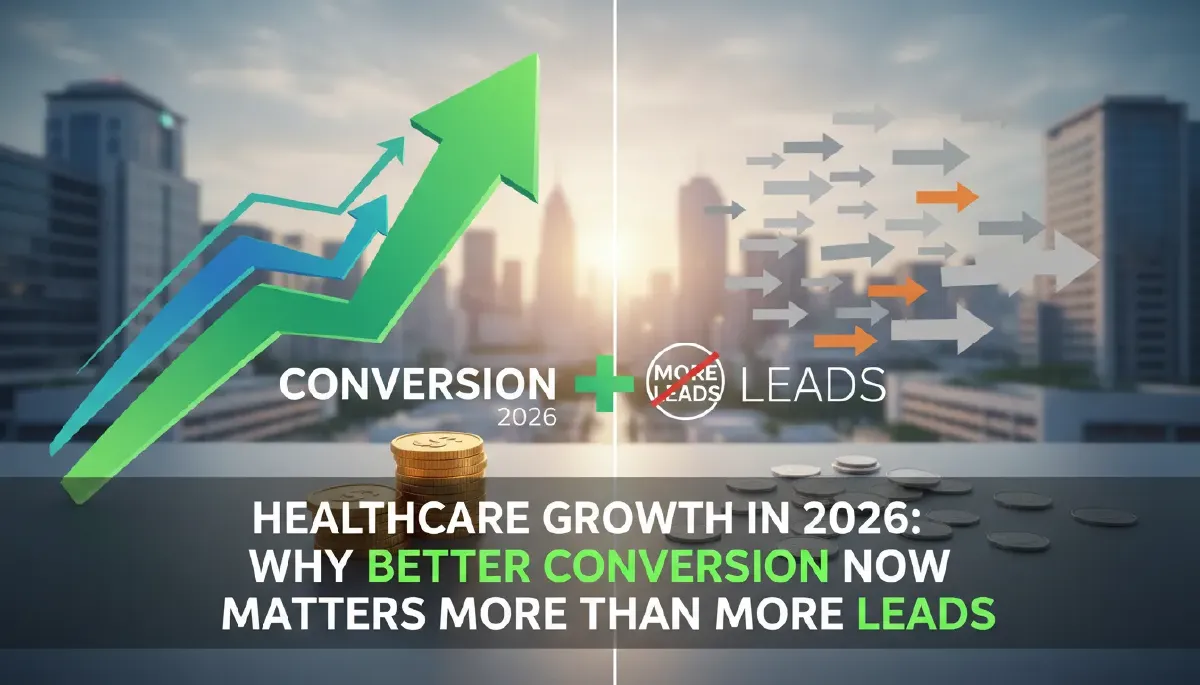
Healthcare businesses entered 2026 with more marketing technology, more automation and more data than ever. Yet many clinics, medical tourism companies, device suppliers and professional skincare brands still face the same commercial problem: enquiries arrive, but too few become consultations, demonstrations or serious sales conversations.
The market has not become simpler. AI-powered search is changing discovery. Privacy expectations are rising. Healthcare regulators are placing greater emphasis on trust, safety and responsible digital systems. Buyers are also becoming more cautious about where they submit personal information and which organisations they believe.
Generating more leads is no longer enough. Growth depends on attracting the right audience, establishing trust, responding properly and maintaining a clear path from first contact to commercial outcome.
Google published new guidance in May 2026 for websites seeking visibility in generative search features such as AI Overviews and AI Mode. Its advice was not to chase a new technical trick. Pages still need to be crawlable, indexable and built around useful, original content that genuinely answers the user’s question.
That matters enormously in healthcare. A prospective patient may ask an AI search tool to compare treatment options, explain recovery expectations or identify suitable providers. A clinic owner may research a device before speaking to a supplier. A distributor may compare professional skincare brands without initially visiting any company website.
The stronger approach is to create material that reflects real commercial and clinical questions. Clinics should explain suitability, process, limitations, aftercare and decision criteria.
Medical device suppliers need evidence-led content, clearer qualification and a structured path from initial interest to demonstration or sales discussion. Learn more about the healthcare businesses and medical suppliers Clinivaro supports. Medical tourism companies should explain travel preparation, provider credentials, communication standards and post-treatment support.
AI search does not remove the need for strong websites. It increases the value of content that is specific, credible and genuinely useful.


The United Kingdom’s Information Commissioner’s Office updated its direct marketing guidance in April 2026. The guidance reinforces a data-protection-by-design approach: businesses should plan how personal information will be protected before launching campaigns, building forms or creating follow-up workflows. Australia’s 2026 privacy attitudes research makes the commercial importance even clearer. Ninety-eight per cent of respondents said organisations collecting, using or sharing personal information should be responsible for protecting it, while 68 per cent said they would be more likely to use digital services if they believed their data was handled fairly and responsibly.
Healthcare businesses should therefore inspect the entire enquiry journey. Does the form request more information than necessary? Is the privacy explanation clear? Are tracking events named in ways that reveal sensitive treatment information? Is data passed safely into the CRM? Can the team explain how an enquiry will be used?
The strongest conversion systems reduce friction without hiding what happens to personal data. Clear consent language, proportionate form fields, secure CRM processes and transparent communication can strengthen both compliance and trust.
Canada introduced proposed legislation in February 2026 intended to create a more connected healthcare system by requiring digital health technology providers to support common standards for secure information exchange. Although this proposal concerns healthcare infrastructure rather than marketing directly, its commercial signal is important: disconnected systems are becoming harder to defend.
Many healthcare businesses still operate with fragmented marketing and sales processes. Advertising platforms generate leads. Form submissions arrive by email. WhatsApp conversations sit on individual phones. Sales notes remain in spreadsheets. Nobody can reliably connect the original campaign with the final outcome.
A connected system should record the source, service or product interest, qualification status, next action, appointment outcome and commercial result. This is the principle behind the Clinivaro Healthcare Growth System, which connects acquisition, qualification, follow-up and reporting. It should also show where enquiries stop progressing.
The goal is not to add more software. It is to remove blind spots. When information moves cleanly between acquisition, landing pages, CRM, follow-up and reporting, teams can make decisions using commercial evidence rather than assumptions.

The United States Food and Drug Administration continued expanding its digital health activity in 2026. In April, it launched the Technology-Enabled Meaningful Patient Outcomes pilot for certain digital health devices. The FDA also maintained updated resources covering AI-enabled devices, digital health guidance and human factors information in medical device submissions.
Buyers need to understand what a product does, where it fits, how it is used, what evidence supports it and what operational change it requires. A campaign that relies on impressive technology language but fails to answer practical buying questions will generate curiosity rather than qualified demand.
Strong supplier content should help prospective buyers assess suitability before a sales call. Useful assets may include implementation guides, clinical workflow explanations, comparison pages, demonstration videos, evidence summaries and role-specific information for practitioners, procurement teams and business owners.
Lead qualification should then reflect the sales cycle. A product enquiry from a clinic researching future options is different from a buyer seeking a demonstration within thirty days. Both may be valuable, but they require different follow-up.
Better segmentation allows the sales team to prioritise immediate opportunities while nurturing longer-term demand rather than treating every enquiry identically.
Turkey remains a major international healthcare destination, but the market is increasingly structured around formal authorisation and clearer oversight. The Turkish Ministry of Health published updated lists of authorised international health tourism providers and facilitators in 2026, following the introduction of updated international health tourism rules in 2025.
International patients are not only comparing prices. They are assessing provider legitimacy, clinical expertise, communication quality, travel logistics, follow-up support and the risk of being abandoned after returning home.
Clinivaro works with clinics and medical tourism companies that need stronger enquiry journeys, follow-up and conversion processes.
A polished advertisement cannot carry that burden alone. The landing page, consultation process, staff communication, proof, documentation and aftercare explanation must support the same promise.
Healthcare providers should make authorisation status, practitioner credentials, treatment process, likely timelines and aftercare responsibilities easy to verify. They should also avoid vague guarantees and exaggerated outcome claims that may create clicks but damage trust.
The strongest medical tourism marketing does not simply sell a destination. It reduces uncertainty at every stage before, during and after treatment.


A cheap lead can be commercially useless. A more expensive enquiry can be highly profitable. Yet many healthcare marketing reports still place cost per lead at the centre of performance discussions.
This creates bad decisions. Campaigns are shifted towards sources producing the lowest form-submission cost, even when those leads rarely qualify, attend or buy.
A better measurement hierarchy begins with lead quality and continues through the full journey. Depending on the business, the important metrics may include cost per qualified enquiry, speed to first response, booking rate, attendance rate, demonstration rate, sales-opportunity rate and revenue by source.
For clinics, the commercial outcome may be an attended consultation. For medical tourism companies, it may be a patient who completes clinical assessment and confirms travel readiness. For device suppliers, it may be a demonstration with a genuine decision-maker. For skincare brands, it may be a wholesale or distributor opportunity.
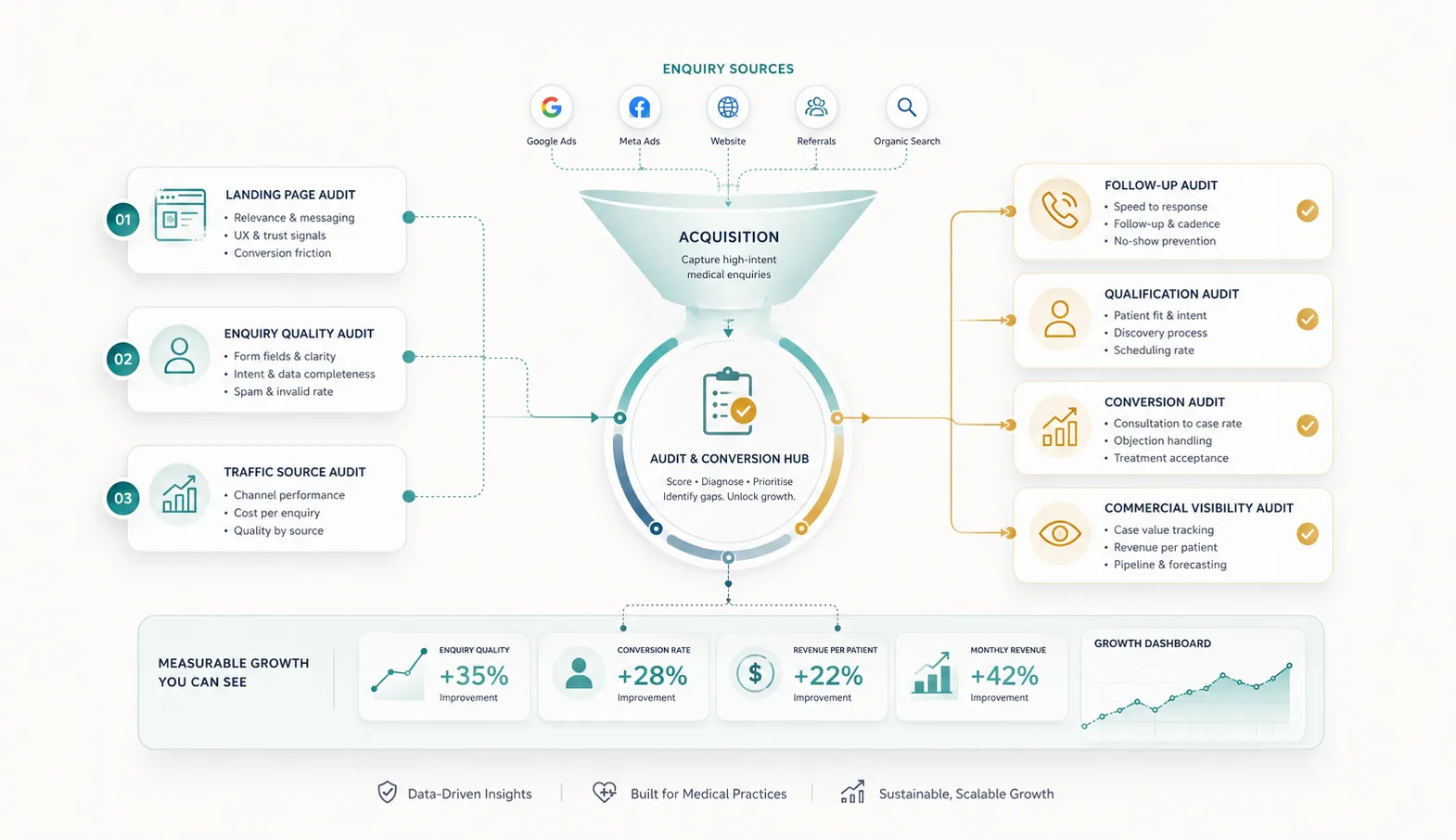
First, review search visibility through the eyes of a serious buyer. Does the website answer meaningful questions, or does it repeat promotional claims? Strengthen pages with original expertise, clear authorship, evidence and practical detail.
Second, audit every enquiry route using a structured healthcare enquiry conversion review. Test forms, calls, WhatsApp messages and email responses. Measure how quickly a prospect receives a useful reply and whether the next step is obvious.
Third, define qualification properly. Decide which information separates a poor-fit contact, a nurture opportunity and a sales-ready enquiry. Do not ask unnecessary questions, but collect enough information to route the opportunity intelligently.
Fourth, connect marketing with CRM outcomes. Record source, interest, qualification, stage and result. Build reporting around consultations, demonstrations and qualified sales conversations rather than lead volume alone.
Fifth, reactivate existing demand. Businesses needing structured implementation can explore the 90-Day Healthcare Growth Pilot. Many businesses already hold databases containing missed enquiries, delayed decisions and prospects who were never followed up consistently. A careful, compliant reactivation process may produce faster returns than increasing advertising spend.
The defining healthcare marketing advantage in 2026 is not access to another advertising platform or automation tool. Most competitors can buy the same media and use similar software.
The advantage is building a trustworthy, connected and measurable healthcare enquiry journey. Businesses that combine credible content, responsible data handling, clear qualification, fast follow-up and outcome-based reporting will be better placed to convert demand across the United Kingdom, United States, Australia, Canada and Turkey.
Those that continue measuring success by traffic and cheap leads will struggle to understand why marketing activity fails to produce enough commercial value.
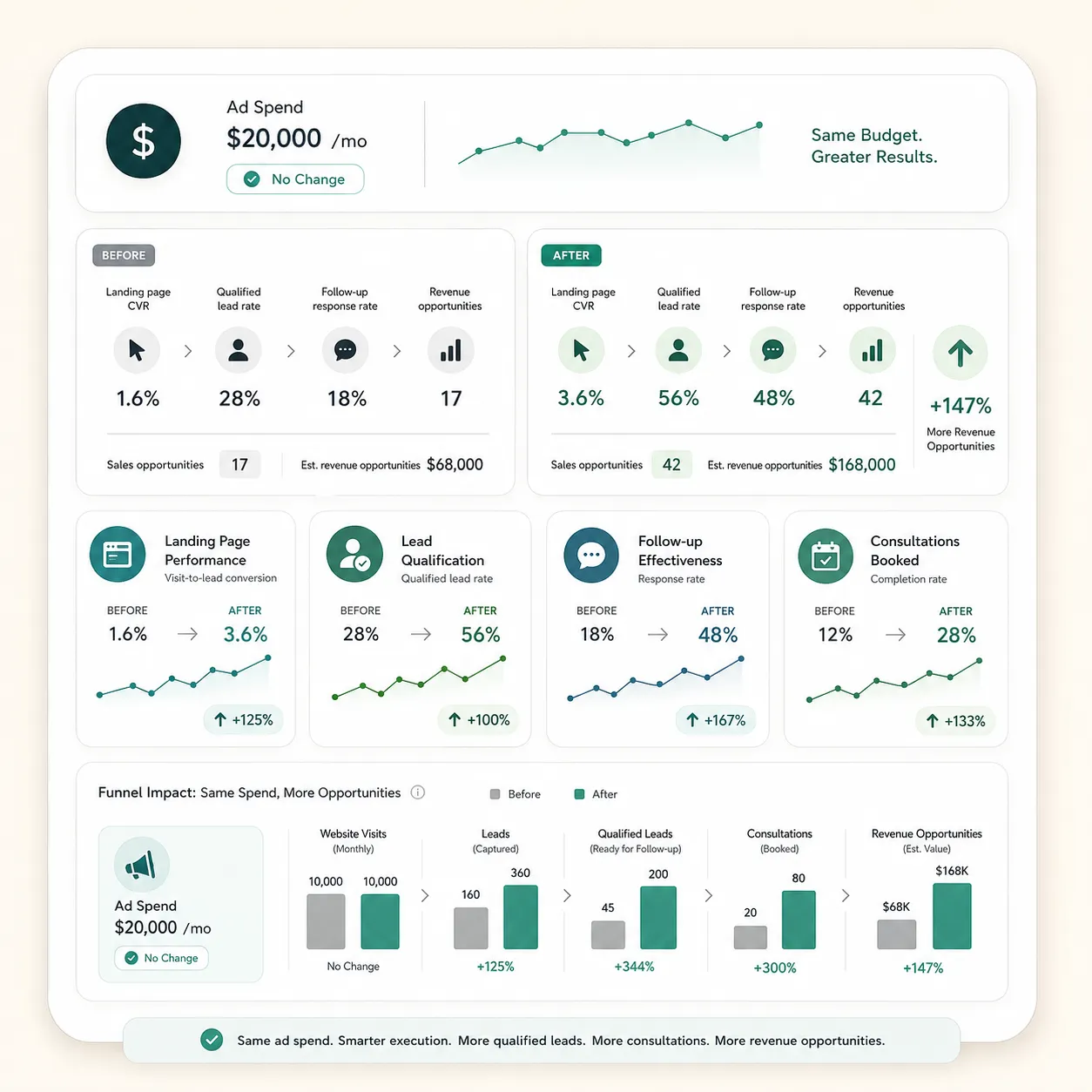
If your business generates enquiries but too few become consultations, demonstrations or serious sales conversations, request a 3-Point Growth Audit from Clinivaro.
We will examine your acquisition journey, follow-up process and conversion system to identify the most important commercial gaps and the practical improvements most likely to strengthen performance.
Google Search Central — AI Features and Your Website Information Commissioner’s Office — Direct Marketing Guidance Office of the Australian Information Commissioner — Australian Community Attitudes to Privacy Survey 2026 Government of Canada — The Government of Canada Introduces Legislation to Build a More Connected Health Care System US Food and Drug Administration — Digital Health Center of Excellence Republic of Türkiye Ministry of Health — Health Tourism Department
These are all official sources and directly support the article’s 2026 claims.